Four Questions with Sara Inkeri Vardar, JP/Politikens Hus
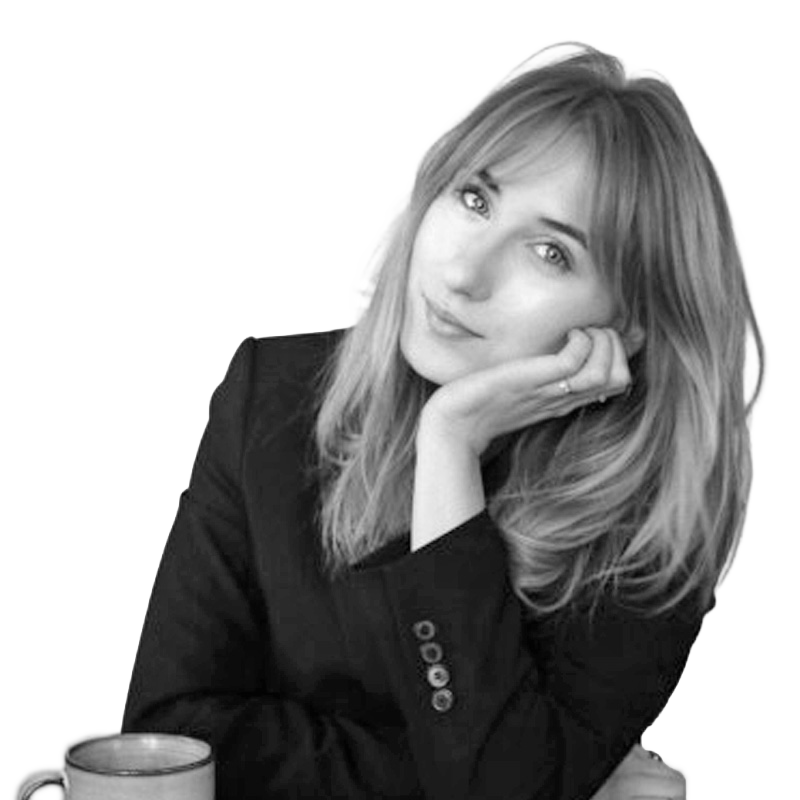
Sara Inkeri Vardar is a Media Innovator, working for JP/Politikens Hus in Copenhagen, Denmark.
What's the most important question right now?
The Digital News Report 2025 showed a sharp decline in the use of traditional news sources—yet most people still feel well-informed. Even though the work we do often feels like the most important thing in the world—especially when you're deep in it, writing, editing, crafting with care—it may not feel important to the people we’re trying to reach. And if it doesn’t feel important to them—what then?
We’ve seen the pressure to innovate for years. So why haven’t we become more experimental? Because when uncertainty hits, we tend to retreat to what we know. But this time, we can’t afford to do that. Now the pressure to innovate isn’t just financial. It’s existential. It’s about market position, trust, and long-term relevance. If we don’t adapt, we risk becoming irrelevant—not just unprofitable.
Why is it so hard for legacy media to make radical change? That’s the question I spent months exploring in my Master’s thesis. The answer? Not a lack of ideas—but structural and cultural friction. Innovation gets trapped between risk-averse budgets, unclear ownership, and deeply ingrained definitions of “real journalism.” Our systems. We have to rethink how we design our organizations—and who gets to define the problems, shape the vision, and make the decisions. And we need to start being more open about failure. And risk failing.
What will we be shaking our heads about a year from now?
We’ll look back and wonder why we believed meaningful change could happen without friction. That we thought we could “do innovation” without rethinking structure, culture, and power. We’ve built organizations that reward predictability—but expect creativity. That want new formats—but keep evaluating them using old standards. That we keep hiring the same profiles but expect different outcomes.
I say this as someone still early in the field - just two years in legacy media and a Master’s degree behind me. But maybe being part of the generation journalism is trying to reach gives me a useful angle. If we want real change, we need new perspectives in the room.
What future are you looking forward to?
A future where we realize that the thing we've been trying to protect by avoiding risk—audience trust—is already slipping through our fingers. And instead of retreating, we respond with experimentation. I’m looking forward to a future where media doesn’t just inform, but actively listens. Where we stop designing for legacy workflows and start designing for people. Where being user-oriented isn’t a product strategy—it’s a mindset.
Sometimes I wonder: why don’t we design journalism like Lidl designs its shelves? I talked about this recently with my NAMS co-organizer and good friend—we were reflecting on how Lidl’s analytics team constantly maps what different communities need and value, and adjusts product selections accordingly. It’s still food. Just more relevant. Why should journalism be any different?
What’s a good hobby to pick up?
Anything that gets you out of your head and back into the real world. It might be the Capricorn rising—yes, very Gen Z—but I’ve definitely got an overachieving streak and an analytical brain that never really shuts off. So in my free time, I try to do the opposite: Move my body. Get outside. Read fiction. Basically, anything that reminds me I’m not just a brain in a browser tab.


