/ / THEFUTURE /
In this issue: Predictions for journalism in 2026. Why explainers are dead and APIs for news might save us. My own prediction: to compete with machines, we become more human. Plus: Three questions with Ukrainian journalist Kateryna Noshkaliuk on AI, inclusion, and the disinformation snowball.
What we’re talking about: Smart people are trying to outdo each other with the sharpest takes: Nieman Lab’s Predictions for Journalism is a treat I look forward to every year. Where do we stand, and what futures seem possible? On one hand, a consensus is emerging. On the other, there are educated bets on what might come to pass.
“Sorry, the explainer is dead”, writes Marie Gilot. Hot take incoming! “Here’s the type of content losing to AI: explainers, how-tos, evergreens, aggregated news, resource lists, hours of operation for government offices, recipes.”
There is a new reality we have to grapple with. Journalism pundit Jeff Jarvis joins David Caswell in calling for “APIs for news”: “By blocking AI, journalism is abdicating control of society’s information ecosystem to pitchmen and propagandists.”
And it’s not all about AI, there are other takes with wild implications like this from John Herrman: “Political media will embrace prediction markets as both a source of information and as a meta-object for coverage.”
Before I give you my prediction for 2026, here’s what else I’ve been reading:
My prediction for 2026: To compete with machines, we become more human. “Let’s put humans front and center — the readers we serve, engaging them more deeply, inviting them closer. We need strong bonds, community, events. We need to do what AI platforms aren’t interested in, because it doesn’t scale, it’s not safe, it’s not predictable.” There is a catch though: “AI raised the bar, and now we need to be both better and different. (…) All of this costs money upfront, and the ROI might just be staying in business.” Read the full prediction on the Nieman Lab’s website.
And now: Ukraine’s president Volodymyr Zelensky was in Berlin this week, negotiating security guarantees with the US and Europe. Russia’s war is about to enter its fifth year. There are attacks on Kyiv, power outages—constantly. In the face of this horror, journalists like Kateryna Noshkaliuk keep working. I met her in Riga at the Baltic Centre for Media Excellence. I’m very grateful she took the time to answer three questions.
Three Questions with Kateryna Noshkaliuk
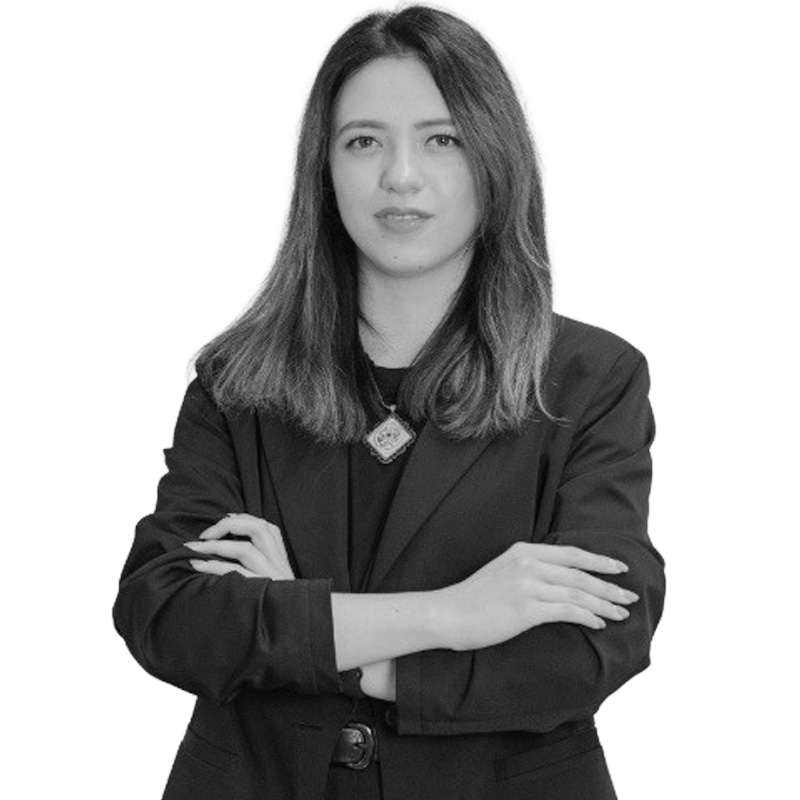
Kateryna Noshkaliuk is Editor at Rayon.in.ua, Ukraine’s hyperlocal media network.
What's the most important question?
The core challenge in editorial development now is transforming AI from a tool for routine tasks into the engine that drives innovation and secures competitive advantage. The next frontier is using AI not just for speed, but to set industry standards, invent unique formats, and uncover new opportunities ahead of others.
In Ukraine, one of the biggest challenges in the coming years will be inclusion, and the media is no exception. We need to make websites, apps, and content accessible to people with physical or cognitive limitations, as well as to those affected by the war. This can include audio versions of news, subtitles, audio descriptions for videos, or simple, easy-to-understand text.
Media organizations can also create jobs for people with new needs, like editors, journalists, or content managers who may require special accommodations due to trauma or disability. At the same time, we must consider that some of our audience may have psychological trauma, anxiety, or strong reactions to certain topics. AI can help in this area by suggesting careful wording, flagging potentially sensitive content, tailoring news delivery to different needs, and streamlining routine work for staff.
Media that successfully integrate these approaches will not only help people access information on equal terms but also set an example of inclusivity and leadership for the entire industry.
What will we be shaking our heads about a year from now?
A year from now, we’ll probably be surprised and a little frustrated at how little attention was paid to the amount of propaganda and disinformation being spread by AI, and how little was done to control it. Ultra-realistic AI-generated photos and videos on social media are already snowballing, and it’s hard to stop them. It’s frightening to imagine what they could make us believe in a year’s time.
Who to follow?
If you’re looking to diversify your feed, here are three recommendations not really about AI (or only loosely connected to it), just good stories and people worth following.
Max Klymenko (TikTok): You may have seen him already, but if not, he’s great for those moments when everyone is worried about AI taking over our jobs. His videos are a fun reminder of how diverse, unexpected, and wonderfully human many professions still are.
Yep4Andy (Instagram): If you enjoy watching people taste food, especially dishes prepared by a Ukrainian grandma, Andy’s account is pure comfort. She also shares glimpses of her travels and her love for South Korean culture. Lately, she’s been one of the most relatable voices about everyday life in Ukraine during blackouts.
Ukrainer in English (YouTube): To see the most beautiful places in Ukraine, you don’t need to get on a plane, especially now, when flying here isn’t possible due to ongoing Russian attacks. But there are still other ways to visit, and until you do, Ukrainer’s channel is a stunning window into the country: landscapes, stories, communities, traditions. I’m sharing one of my favorite videos, but honestly, their whole channel is worth watching.
Only a few doors left: The advent calendar on my website has almost run its course. But there are still a few clicks to go, and of course you can always revisit the previous days.

One more thing: Good presentations have maybe 10 slides. This one has 441. It’s not about AI, but Matthew Stasoff‘s take on marketing, internet culture, brand visibility. It’s definitely not something a chatbot or deep search agent could produce anytime soon. It’s wild, unhinged, funny, and I love everything about the format.

This is THEFUTURE.
