Three Questions with Jon Laurence, Newpress
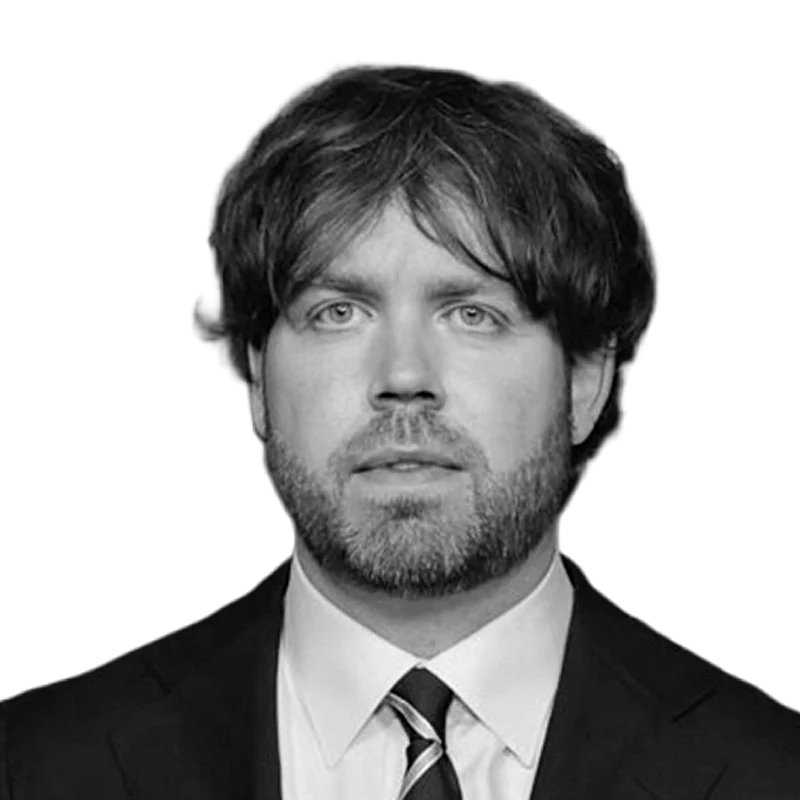
Jon Laurence is VP at Newpress.
What's the most important question right now?
In content strategy, it's about oil rather than pipes.
The editorial organizations struggling right now have spent the past decade-plus focused on the enormous pipes of SEO and social, thinking about what they had to put in them. That produced “What time is the Superbowl?” journalism, putting a watermelon on Facebook Watch because someone was paying for it, and a host of less extreme incarnations. I worked at social video startup NowThis for a lot of this era, where we were proud to count our monthly views in the billions, with a b. Scale was the point, and it felt like if it just got big enough it would, to mix metaphors, become the pot of gold at the end of the rainbow. That scale never belonged to us, and the SEO apocalypse plus platform fatigue has ended it for good.
The organizations that are thriving right now are the ones that struck oil. Oliver Darcy's newsletter, Status, which tells you exactly what's going on in the NYC media scene, is never going to be a mass product, but it's indispensable if you work in that world. It started with a really focused editorial idea – and it has spawned a series of products as a result (rather than the other way round, as in the examples above). It's specific enough to motivate you to pay for it – and it is bringing in millions of dollars of annual subscription revenue with a tiny staff.
Highly-focused publications built around an engaged community with first-party data, and ideally owned IP, are the move. The editorial question is: where can you strike oil?
What's one fact about AI that everyone should know?
The single best way for individuals to become resilient against AI is a strong personal brand with a community attached. It feels counter-intuitive, but as the world becomes more automated, leaning into your own uniqueness makes sense.
I started this in earnest about a year ago, because I could see that a lot of the skills that had got me this far, like exceptional organization and the ability to generate smart workflows, were about to become obsolete. Plus I needed a new job.
I'd always resisted it. In broadcast, I'd seen how much work my on-camera colleagues put into it; it was their entire professional raison d'être, and I just felt like I couldn't keep up. For editorial leaders, never posting also felt like a weird status symbol.
My primary platform was LinkedIn, and I used it to model out the type of answers that I was struggling to give in senior-level job interviews. It's led to a bunch of opportunities, including a great new role in the creator journalism economy that I never would have found otherwise. And it's felt like an inflatable ring ahead of the tidal wave of AI.
What's a good hobby to pick up?
Spin class is perfect for these times.
(1) The best studios have a no-phones policy. Until recently I'd spent 15 years working at the sharp end of breaking news. It just meant that I wasn't available 24/7.
(2) In the US at least, where I live, it's an incredibly social activity. I find compatible music taste an incredibly good predictor of potential friendship. Regular low stakes interactions where everyone is in a great mood are a great way of sparking new connections.
(3) If you identify with having ADHD, as many of us in this world do, it's a phenomenally effective way of managing it.
I appreciate that group fitness is not for everyone, but if like me you are an extrovert who does a decent chunk of remote work, and lives by their calendar with a knack for keeping appointments, I cannot recommend it highly enough.